
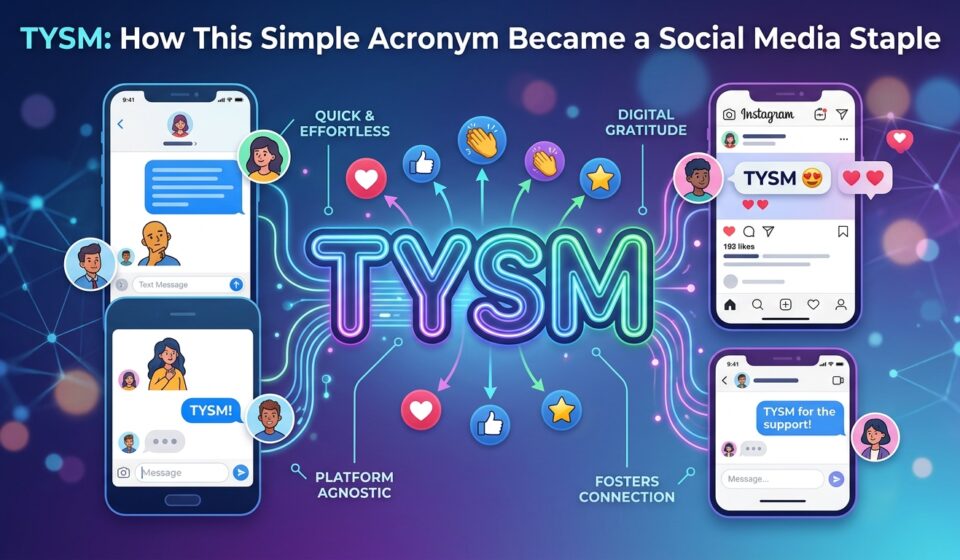
In the fast-paced world of social media, acronyms have become a second language. Among them, TYSM stands out as a go-to expression for gratitude and appreciation. If you’re scrolling through your feed or catching up on texts, chances are you’ve encountered this little gem. But what does it really mean? And why has it captured the hearts (and thumbs) of millions? Let’s dive into the fascinating journey of TYSM and explore how this simple acronym transformed from casual shorthand to a cultural phenomenon. Whether you’re part of Gen Z or just trying to keep up with their lingo, understanding TYSM might just change how you express thanks online!
What is TYSM?
TYSM stands for “Thank You So Much.” It’s a quick and efficient way to express gratitude online. This abbreviation is used across various social media platforms, making it a staple in digital conversations.
The charm of TYSM lies in its simplicity. Just three letters convey warmth and appreciation without the need for lengthy messages. Whether responding to compliments or acknowledging support, TYSM captures emotions succinctly. It resonates with users who prefer brevity in their interactions.
In an age where attention spans are shorter than ever, this acronym fits perfectly into our fast-paced communication style. It’s friendly yet casual, perfect for the informal nature of social media exchanges.
With just one phrase, you can uplift someone’s day or foster connections within your online community. The versatility of TYSM makes it suitable for any occasion personal or professional.
The origins of TYSM and its evolution on social media
The acronym TYSM stands for “Thank You So Much.” Its roots trace back to the early days of online communication, where brevity was essential. Text messages and chat rooms birthed a culture of shorthand, making expressions quick and efficient.
As social media platforms exploded in popularity, TYSM found its place among users eager to convey gratitude without lengthy explanations. Twitter’s character limit further fueled this trend, allowing a simple yet heartfelt expression to thrive.
Over time, TYSM evolved from casual chats into a staple phrase across various platforms. Millennials embraced it as they transitioned into adulthood, while Gen Z adopted it with their own unique flair. This evolution reflects not only technological advancements but also shifts in how people communicate appreciation online.
Today, you’ll find TYSM used in everything from tweets and Instagram captions to TikTok videos—an enduring symbol of gratitude that resonates with diverse audiences worldwide.
Why TYSM has become a popular phrase among millennials and Gen Z
TYSM resonates deeply with millennials and Gen Z. It’s a quick, easy way to express gratitude in our fast-paced digital world. This generation values authenticity and connection. TYSM feels genuine yet casual, making it perfect for social media interactions. It’s like saying thank you without the formality.
Moreover, brevity matters. With character limits on platforms like Twitter and the desire for concise communication, acronyms thrive. TYSM captures appreciation in just four letters. Peer influence plays a role too. As friends use it in conversations or posts, others naturally adopt the phrase to stay relatable and current.
The culture of instant responses encourages such phrases that save time while maintaining warmth. In essence, TYSM embodies what younger generations seek: simple expression wrapped in familiarity.
The impact of TYSM on social media culture
TYSM has carved out a space in the lexicon of social media. It embodies the fast-paced communication style that platforms like Twitter, Instagram, and TikTok demand.
This simple acronym encapsulates gratitude with ease. Users can express appreciation quickly, making conversations more efficient. As a result, TYSM fosters connection among friends and followers alike.
Furthermore, it reflects a shift towards informal language online. Professionalism blends seamlessly with casualness in digital interactions now.
The widespread use of TYSM also highlights the importance of community on social media. Sharing moments of thanks strengthens bonds between users, encouraging positive engagement across various platforms.
Moreover, influencers harness this phrase to create relatable content that resonates with their audiences. By using TYSM authentically in posts or captions, they cultivate trust and loyalty among their followers. In many ways, TYSM is not just an acronym; it’s a cultural phenomenon shaping how we communicate online today.
How brands and influencers are using TYSM in their marketing strategies
Brands and influencers have swiftly adopted TYSM into their marketing strategies. This simple acronym resonates particularly with younger audiences. It’s a catchy way to express gratitude, making it perfect for social media engagement.
Influencers often use TYSM in posts thanking followers for support or encouraging interaction. They create relatable content that fosters community and connection. By incorporating this phrase, they tap into the emotional landscape of their audience.
Brands are no strangers to this trend either. Crafting campaigns around appreciation, they leverage TYSM to humanize their messaging. Whether through giveaways or customer shout-outs, brands aim to build loyalty by showing genuine gratitude.
The result is a more personal brand-consumer relationship. Using TYSM helps both influencers and companies stand out in saturated markets while maintaining authenticity in communication.
Criticisms and controversies surrounding TYSM
While TYSM is widely embraced, it hasn’t escaped criticism. Some argue that such abbreviations dilute genuine communication. They believe shortcuts can lead to misunderstandings, especially among those unfamiliar with the acronym.
Moreover, detractors point out that overuse of phrases like TYSM may contribute to a culture of insincerity. The casual nature of texting and social media often leaves sincerity in question. Are users truly grateful or simply following trends?
Additionally, older generations sometimes express frustration at these evolving forms of expression. They feel disconnected from a digital language they didn’t grow up with.
In some circles, the use of TYSM has even been labeled as lazy communication—a trend towards minimalism that sacrifices depth for brevity. This debate highlights the ongoing tension between traditional language norms and modern online interactions.
The staying power of TYSM in the digital age
The staying power of TYSM is remarkable, especially in today’s fast-paced digital landscape. This simple acronym resonates with users across various platforms. Its brevity makes it perfect for quick exchanges.
Social media thrives on immediacy and convenience. With the rise of texting culture, acronyms like TYSM fit seamlessly into conversations. They enhance communication without sacrificing personality. Millennials and Gen Z have embraced this phrase wholeheartedly. It captures gratitude in a catchy way while fostering connections among peers.
As influencers adopt TYSM in their posts, its visibility grows even more. Brands are also quick to incorporate it into campaigns, tapping into the relatability factor that consumers crave. TYSM reminds us that language evolves but certain expressions endure because they resonate deeply with people’s experiences and emotions.
Conclusion
The rise of TYSM is a fascinating reflection of how language evolves in the digital age. This simple acronym encapsulates gratitude and appreciation, making it an essential part of online communication. Its journey from a casual text message to a social media staple highlights the power of brevity and relatability.
Millennials and Gen Z have embraced TYSM not just as shorthand but also as a way to foster connection in a fast-paced world. It’s become more than just words; it’s an expression that resonates deeply within these communities. Brands recognizing this shift are leveraging TYSM to connect authentically with their audiences, demonstrating its relevance across various platforms.
Yet, like any popular phrase, TYSM has faced scrutiny. Critics argue that overuse can dilute meaning or lead to insincerity in interactions. However, its staying power suggests otherwise TYSM continues to thrive in everyday conversations.
As we navigate our increasingly digital lives, acronyms like TYSM remind us of the importance of expressing gratitude even when time is limited. The evolution of communication may change rapidly, but one thing remains clear: heartfelt acknowledgment will always find its place among us.