In today’s world, almost every business collects data—whether they realize it or not. A small coffee shop tracks daily sales, an online store records what people click on, and even a fitness app monitors how often users open it. The challenge isn’t getting data anymore. It’s knowing what to do with it.
That’s where analytics experts come in. They help businesses make sense of all those numbers and turn them into practical decisions that actually improve performance. Instead of guessing what customers want or why sales are dropping, companies can start seeing clear patterns and act on them with confidence.
Think of it like having a map in a city you’ve never visited before. You could wander around hoping to find your destination—or you could follow directions that guide you efficiently. Data works the same way. Without interpretation, it’s just noise. With the right guidance, it becomes a roadmap for growth.
From Data Overload to Clear Insights
Most businesses today are sitting on more data than they know what to do with. A retail store might track inventory, sales, returns, customer loyalty, and website traffic all at once. A hospital might collect patient records, treatment outcomes, appointment schedules, and billing information. On their own, these numbers don’t immediately tell a story.
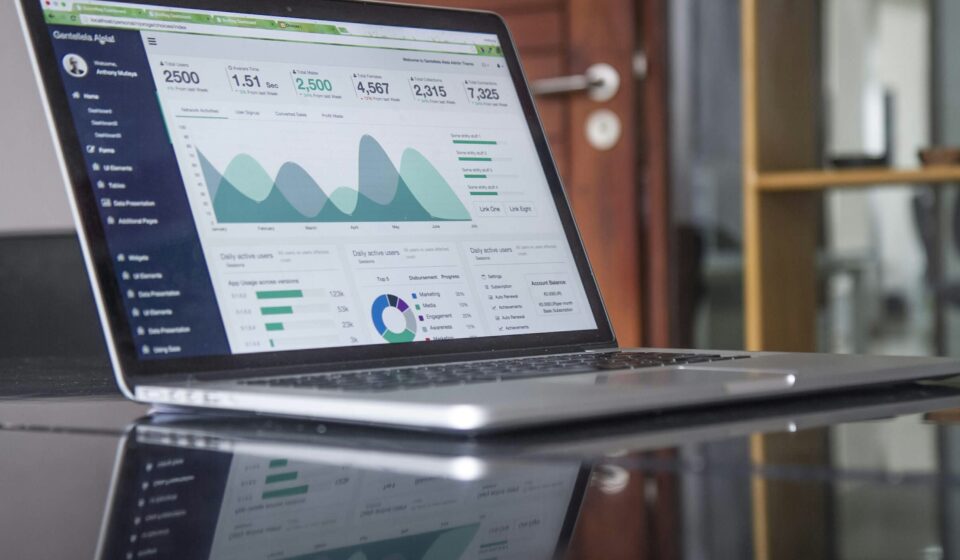
The problem is often what experts call “data overload.” This happens when there’s so much information that it becomes difficult to know what matters. Imagine opening your phone and seeing thousands of unread messages, notifications, and alerts all at once. You might not know where to start—and that’s exactly how many businesses feel when looking at their dashboards.
Analytics specialists step in to organize this chaos. They clean the data (removing errors or duplicates), group it into meaningful categories, and highlight what’s actually important. For example, instead of showing a store owner every single transaction of the day, they might point out that sales of iced drinks spike on hot afternoons, while hot beverages perform better in the morning.
That kind of clarity changes how decisions are made. Suddenly, it’s not about guessing—it’s about understanding patterns. A restaurant might realize that most late-night orders come from a specific neighborhood, suggesting a delivery expansion opportunity. A streaming platform might notice that viewers drop off during the first two minutes of a show, prompting improvements in introductions.
Even in everyday life, we use similar thinking without realizing it. If you notice you’re always tired after eating a certain meal, you might adjust your diet. Businesses do the same thing, but on a larger scale and with more complexity.
How Consultants Turn Raw Numbers into Decisions
Once data is cleaned and organized, the next step is interpretation. This is where real transformation happens. It’s not just about looking at charts—it’s about asking the right questions.
Why are customers leaving? Which products are driving profit, not just sales? What time of day brings the most engagement? These questions guide the analysis process.
Analytics professionals often use tools like dashboards, predictive models, and trend analysis to uncover answers. But the tools themselves aren’t the magic part—the thinking behind them is. For example, a predictive model might show that a clothing store’s winter jacket sales will rise earlier than usual this year based on temperature trends and past behavior. That insight allows the business to stock up in advance instead of missing demand.
Let’s take a simple real-world example. Imagine a ride-hailing app. On the surface, it might seem like everything is working fine if rides are being booked. But deeper analysis might reveal that wait times in certain neighborhoods are too long during rush hour. That insight could lead to redistributing drivers more efficiently, improving customer satisfaction and increasing overall rides.
Another example comes from healthcare. Hospitals often use data analysis to reduce patient wait times. By studying admission patterns, they can predict peak hours and schedule staff accordingly. The result isn’t just efficiency—it’s better care for patients who don’t have to wait as long.
This is the real value of structured analysis. It helps businesses move from reactive decisions (“something went wrong”) to proactive strategies (“we see this coming and are ready for it”).
Even small changes can have a big impact. A grocery store might adjust shelf placement based on purchase patterns. An app might redesign its homepage after noticing where users tend to click. Over time, these small improvements add up to significant growth.
Real-World Growth Through Smarter Use of Data
Growth doesn’t always come from big, dramatic changes. Often, it comes from hundreds of small, informed decisions made consistently over time. When companies learn how to use their data properly, they stop operating on instinct alone and start building strategies backed by evidence.
Take a local food delivery business, for example. At first, they might assume that all customers behave the same way. But after analyzing order data, they discover that students tend to order late at night, while office workers order during lunch hours. With this knowledge, they can run targeted promotions at specific times, increasing orders without increasing advertising costs.
In another case, an online education platform might find that students who watch introductory videos are far more likely to complete a course. By highlighting those videos more prominently, they improve completion rates and customer satisfaction at the same time.
This is where structured guidance becomes especially valuable. Many organizations choose to work with experts who specialize in interpreting complex datasets and translating them into actionable strategies. These professionals don’t just report numbers—they help shape business direction, improve efficiency, and uncover hidden opportunities that might otherwise go unnoticed. In fact, businesses often rely on analytics consulting services to bridge the gap between raw data and meaningful growth strategies.
What makes this approach powerful is its adaptability. Whether it’s retail, healthcare, education, or technology, the same principles apply: understand behavior, identify patterns, and act on insights. A clothing brand might optimize inventory. A bank might detect fraud earlier. A mobile game might improve user retention by adjusting difficulty levels based on player behavior.
At its core, this isn’t about technology alone—it’s about better decision-making. Data simply gives us a clearer view of reality, much like turning on the lights in a dark room. Once you can see clearly, you can move forward with more confidence.
And as businesses continue to grow in complexity, the ability to interpret and use data effectively becomes less of a luxury and more of a necessity. Companies that embrace this mindset tend to adapt faster, respond better to change, and ultimately stay ahead in competitive markets.
In the end, growth isn’t just about collecting more information. It’s about learning how to understand it—and using it to make smarter, more human decisions.