
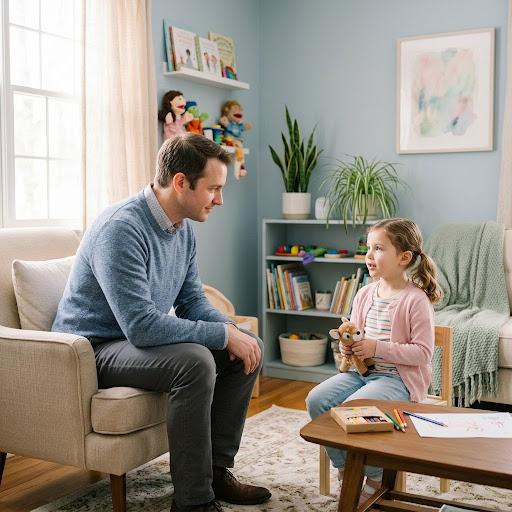
Every parent wants to see their child grow up happy, confident, and resilient. But childhood comes with its own set of challenges—big emotions, new social pressures, and the occasional struggle that feels too big to handle alone. When these moments start to affect your child’s mood, behavior, or relationships, it’s worth pausing to consider how the right kind of support can make all the difference.
Every child deserves a safe space to work through what they’re feeling. Child therapists specialize in helping kids build the emotional tools they need to navigate life’s ups and downs, so they can grow into their fullest, happiest selves. This post breaks down why professional support matters, the signs that indicate your child might benefit from it, and what a thoughtful, personalized approach can look like.
Why Professional Support Matters More Than Ever
Kids today face pressures that previous generations rarely encountered. Social media, academic expectations, and rapidly shifting friendships all contribute to stress levels that can feel overwhelming for a young mind still learning how to process big feelings. Left unaddressed, these stressors can show up as anxiety, irritability, or withdrawal.
The good news? Emotional struggles in childhood are highly responsive to early, thoughtful intervention. Kids are remarkably adaptable, and with the right guidance, they can learn healthy coping strategies that serve them for the rest of their lives. A supportive relationship with a trained professional gives children permission to express themselves honestly, without fear of judgment, and helps them build confidence in their own ability to handle challenges.
Signs Your Child May Benefit from Extra Support
Every child experiences ups and downs, but certain patterns suggest it might be time to seek additional guidance. Watch for:
- Sudden changes in behavior, such as increased irritability, withdrawal from friends, or difficulty sleeping
- Struggles at school, including a drop in grades, trouble focusing, or reluctance to attend
- Persistent worry or sadness that doesn’t seem to improve over time
- Difficulty managing big emotions, like frequent meltdowns or outbursts that feel disproportionate to the situation
- Physical complaints like stomachaches or headaches with no clear medical cause, which can sometimes be linked to stress
If any of these sound familiar, know that you’re not alone—and that support is available. Many parents find that reaching out earlier rather than later helps prevent small struggles from becoming bigger ones.
What to Expect from a Personalized Approach
No two children are the same, which is why a one-size-fits-all approach rarely works. In good child therapy, every plan is built around the unique personality, needs, and goals of the child. A skilled therapist takes the time to understand not just the behaviors you’re seeing at home, but the underlying emotions driving them.
Child therapy designed around your family’s specific needs can help your child build confidence, develop healthy coping skills, and create a stronger sense of emotional resilience that carries into every part of their life. Sessions are collaborative, engaging, and age-appropriate, using techniques like play-based learning, guided conversation, and skill-building exercises that meet children where they are developmentally.
A Team That Understands Kids
Child therapists are trained specifically in child development, which means they know how to connect with kids in ways that feel natural rather than clinical. Whether your child is working through anxiety, adjusting to a major life change, or simply needs help expressing their feelings more clearly, a good therapist creates an environment where they feel heard, supported, and understood.
The best child therapists also involve parents throughout the process. You know your child better than anyone, and your insights are a vital part of creating a plan that actually works. Regular check-ins ensure you’re informed and empowered every step of the way, so progress at home and progress in sessions reinforce each other.
Building Skills That Last a Lifetime
The goal of working with a professional isn’t just to address the issue in front of you—it’s to equip your child with tools they’ll carry forward into adolescence and adulthood. Kids who learn how to name their emotions, communicate their needs, and problem-solve through difficult moments tend to carry that confidence into their friendships, academics, and future relationships.
Some of the long-term benefits families often notice include:
- Improved communication between parent and child
- Greater emotional regulation and fewer intense outbursts
- Stronger social skills and friendships
- Increased self-esteem and a more positive self-image
- A greater sense of trust and openness within the family
These outcomes don’t happen overnight, but with consistent support, meaningful change is absolutely within reach.
Give Your Child the Support They Deserve
Parenting is one of the most rewarding jobs in the world, and also one of the hardest. You don’t have to navigate every challenge alone, and neither does your child. Reaching out for support isn’t a sign that something is wrong with your family—it’s a sign of strength, love, and a genuine commitment to your child’s well-being.
If you’ve noticed your child struggling and aren’t sure where to turn, a qualified child therapist can help. A compassionate, experienced therapist can walk alongside your family and help your child build the emotional foundation they need to thrive. Reaching out is the first step in supporting your child’s journey toward a happier, healthier future.